If you’ve ever searched for something on Google, chances are you’ve seen two types of results: some marked with the word “Ad” and others that aren’t. Those “Ad” results are paid placements, businesses pay to show up there. The others? They’ve earned their spot through something called SEO.
In this Blog, we’ll break down how each works, the pros and cons of both, and help you decide which one makes more sense for your business or if using both is actually your best move. Let’s get move on.
What is SEO?
When someone types a question into Google, the search engine tries to find the best answers. SEO is what you do to prove that your website has those answers.
SEO stands for Search Engine Optimisation. It’s a way of helping your website show up on Google (and other search engines) without paying for ads. Instead of paying for clicks, you “earn” your spot by making your website useful, clear, and easy to find.
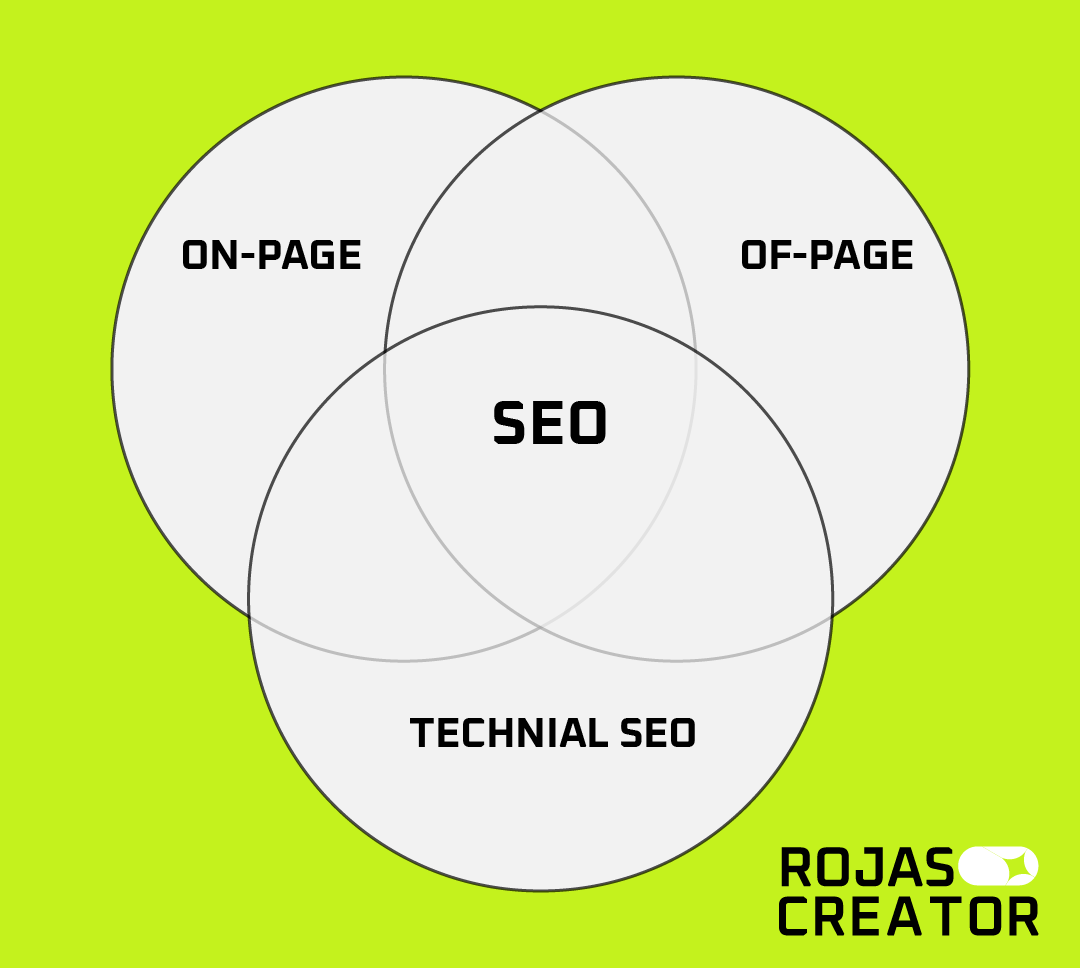
There are three main parts to SEO, and all of them work together:
- Technical SEO
This is all about how your website runs behind the scenes. Is it fast? Does it work well on phones? Can search engines easily “read” it? A smooth, healthy website helps you rank better. - Content
This is what people actually see, the words on your pages. Google looks for helpful, clear, and well-written content that matches what people are searching for. This includes using the right keywords common words and phrases your potential customers use. - Off-page SEO
This is everything that happens outside your website. If other trusted websites link to you, it tells Google that your site is valuable. The more quality links you get, the more trust you build.
With strong SEO, your site can appear on Google for “free”, and yes, we’re putting that in quotes. While Google doesn’t charge you to show up in its search results, someone always pays the bill.
You’ll need to invest time (and often money) to build a well-structured website and a long-term strategy that meets the needs of the people you want to reach. The more helpful and relevant your site is to their searches, the more likely it is to appear when they’re looking.
What is PPC?
PPC stands for Pay-Per-Click. It’s a type of online advertising , one of many on the internet , but it’s also the most popular and profitable for major tech companies. Since its introduction in 2000, PPC advertising has grown rapidly and become a core part of how platforms like Google make their money.
With PPC, you only pay when someone actually clicks on your ad. The most common example is Google Ads.
When you search for something on Google, you’ll often see ads right at the top of the page , these are PPC ads. They usually have a small label that says “Sponsored” or “Ad” to let users know that a business paid to appear there.
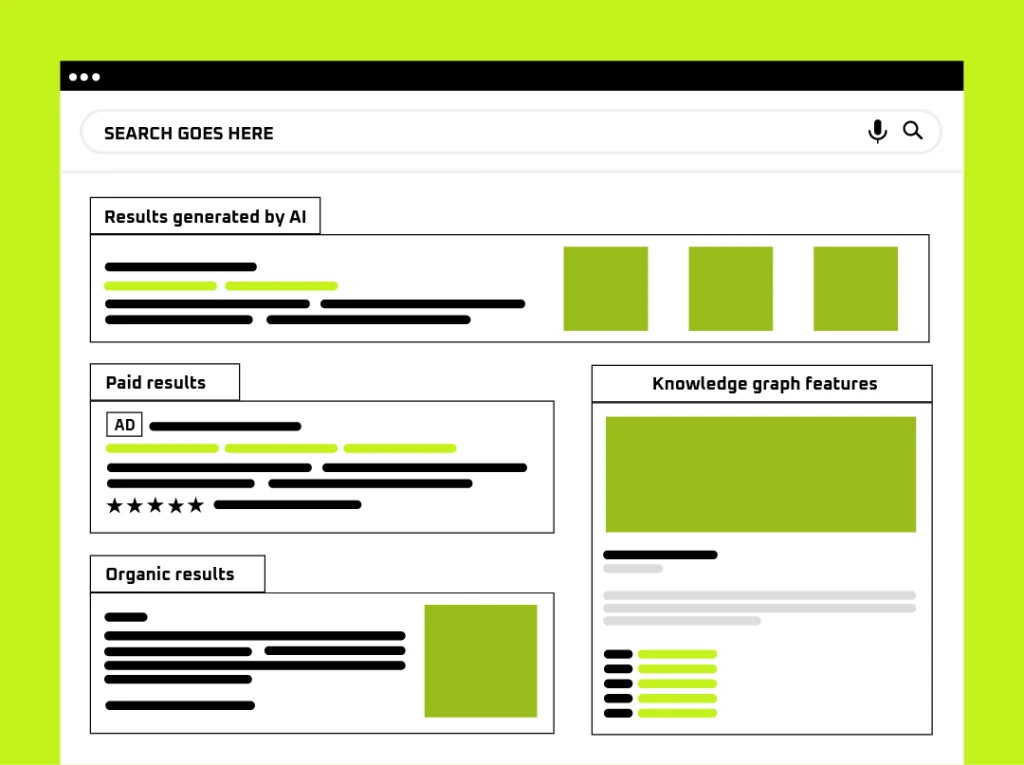
The biggest advantage? Speed. With PPC, your website can show up almost instantly, even if it’s brand new or hasn’t built up any SEO yet. That makes it a great tool for short-term goals , like launching a new product, running a limited-time offer, or getting quick traffic while you work on your long-term SEO.
Google wants to sell us the idea that you control how much you spend, who sees your ads, and when they appear, but later on, we’ll explain why that’s not entirely true. And yes, it’s also true that the moment you stop paying, your visibility vanishes completely.
What is the difference between SEO and ads?
At its core, SEO is all about earning your place in search results by making your website valuable and relevant, with no payment required per click. Ads, on the other hand, are more like renting visibility. You pay to appear in front of people right away, whether they click or not.

What are the benefits of PPC?
The biggest benefit is speed. You don’t have to wait for months like with SEO. You can run an ad today and start getting visits to your website the same day.
PPC means paying for your business to show up on Google. It works fast. If you just opened a café, offer legal help, or want more bookings in your salon, PPC helps people see you right away.
PPC also lets you choose how much you want to spend and who sees your ad. You can show it only to people near your area or at certain times of day. That way, you don’t waste money on the wrong audience.
Another reason to use PPC is that it helps you test things. You can try different messages, discounts, or services and see what works best before changing your website or full strategy.
For some businesses, PPC isn’t just helpful, it’s the only way to compete. In certain industries, SEO is very crowded. Big companies have already taken over the top search spots. If you want to show up at all, paid ads may be your best chance to get noticed.
Also, PPC gives you clear results. You can see how many people saw your ad, clicked it, and took action. That helps you understand what your customers like and what to improve.
What are the benefits of SEO?
If you own a small café, a beauty salon or a legal office, SEO helps people find you when they search on Google. It’s like putting up a clear sign that tells Google your business exists and offers something useful.
One big benefit is that you don’t need to pay each time someone visits your site. Once your page shows up in search results, people can find you naturally without the need to run constant ads.
Another reason people trust SEO is because results that aren’t marked as ads feel more genuine. Users are more likely to click on these listings because they see them as honest recommendations, not paid spots.
SEO also works over time. If you write something helpful today, like a guide or service page, it can keep bringing people to your site weeks or even months later. You don’t lose your spot just because you stop paying, unlike ads.
When you post useful content, it also builds your reputation. A café sharing brewing tips or a lawyer explaining local rules helps the audience see you as an expert, not just a business trying to sell.
SEO requires time and planning, but once it starts working, it keeps driving traffic to your site and helps your business grow without extra daily costs.
How SEO and PPC can work together?
To make your online efforts successful in the long term, SEO and PPC should always work together. As I mentioned earlier, the big companies with names ending in “Ads” love to sell you the idea of “run ads quickly, sell fast, let our AIs do the work for you.”
But be careful, they’re not telling you the whole truth. At the end of the day, these are businesses focused on profit. Whether or not you actually get leads is not their top priority.
Before you launch any pay-per-click campaigns, you should always have an organic SEO strategy in place. Otherwise, you’re pouring money into a black hole. While there are ways to turn things around, campaigns do provide valuable insights, like who’s interacting with your ads, which areas they’re from, their age groups or interests, and even the search terms they used to find you. All of this can help you create better organic SEO content for your business.
Some business owners get bold and run ads without any prior SEO work or landing page preparation. They just send everyone to their homepage, often with no good visuals, no videos, and no message that truly speaks to the audience. Nothing. In those cases, not even Google wants to risk damaging the user experience. So what does it do? It penalises you, by charging more for each click. And in extreme cases, if your setup is completely off, Google might not even show your ad at all, even if you’re paying.
Why is SEO better than paid ads?
My advice? Prepare your content first and then start investing in ads. If you’re in a rush and can’t wait to build a proper website, you can run things in parallel. You might consider using your Google Maps listing in a Performance Max campaign. With a well-optimised Google Business Profile, you’ll have a much better chance of converting leads and spending less. It gives you the speed some businesses need while your full website is still in development.

All decisions around pay-per-click advertising should be based on data. It’s the only way to do things properly and achieve the kind of “speed” Google promises. What might take years with traditional SEO can often be achieved in a few months with PPC. But think carefully, what will you do once the campaign ends? How will you take advantage of that traffic?
That’s where organic SEO strategy comes in. Paid ads can boost it, but they can’t replace it.
I hope this blog helps you make a more informed decision about what your business really needs. If you’re still unsure, feel free to leave a comment or message me. I’ll be happy to help.